HISTORY & HERITAGE
The History of Ephesus
From a small Ionian settlement to the capital of Roman Asia — explore 3,000 years of history at one of the ancient world's greatest cities.
Last updated:
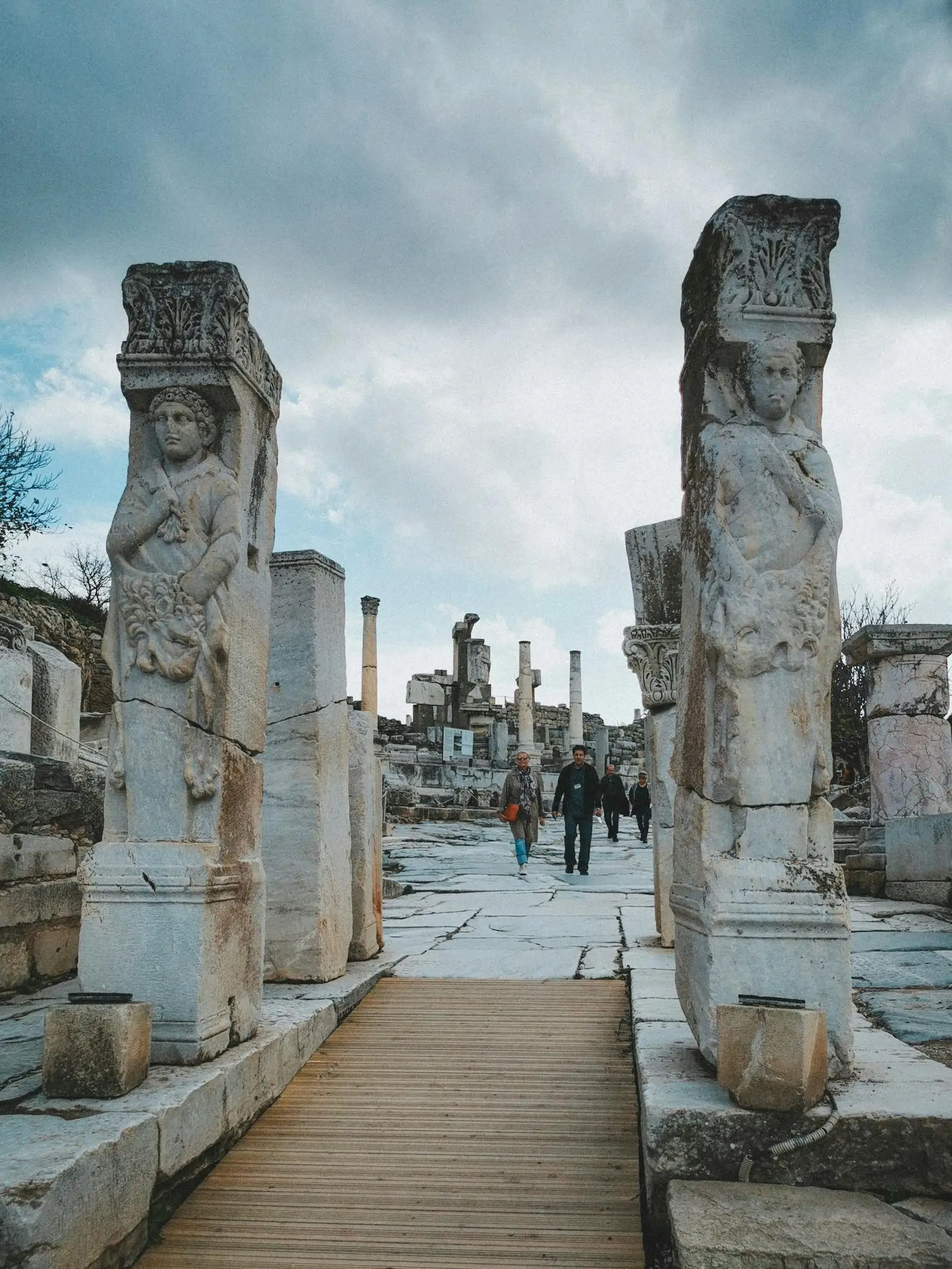
Ephesus is one of the most complete ancient cities in the Mediterranean, with over 3,000 years of continuous history spanning Neolithic settlers, Ionian Greeks, Roman emperors, early Christians, and Ottoman Turks. Inscribed as a UNESCO World Heritage Site in 2015, it preserves layer upon layer of civilization in its marble streets and monuments. Walking the site today, you trace a path through the rise and fall of empires, the birth of Western philosophy, and the spread of one of the world's great religions.
TIMELINE
3,000 Years of History
Founding
- Habitation near the site dates to the Neolithic Age. Archaeological evidence shows Carians and Lelegians were among the earliest inhabitants of the late Bronze Age settlement.
- The name 'Ephesus' may derive from 'Apasas,' a city name from the Kingdom of Arzawa, though the exact meaning remains debated among scholars.
- According to ancient tradition, the city was refounded by Androclus, son of Codrus, around 1000 BCE as part of the Ionian migration from mainland Greece.
Lydian & Persian Period
- c. 550 BCE: Lydian King Croesus funded construction of the Temple of Artemis. According to Pliny the Elder, it took approximately 120 years to complete and became one of the Seven Wonders of the Ancient World.
- c. 535 BCE: Philosopher Heraclitus born in Ephesus, known for the doctrine 'everything flows' (panta rhei). He flourished around 500 BCE.
- 356 BCE: The Temple of Artemis was deliberately burned by Herostratus, seeking eternal fame. According to ancient tradition, this occurred the same night Alexander the Great was born.
- Inscriptions and records show women in ancient Ephesus enjoyed unusual freedoms, including roles as merchants, priestesses, landowners, and civic benefactors.
Alexander & the Hellenistic Age
- 334 BCE: Alexander the Great liberated Ephesus from Persian rule. He offered to fund the Temple of Artemis reconstruction, but the Ephesians diplomatically declined: 'it was not seemly for one god to build a temple to another.'
- c. 286 BCE: Lysimachus relocated the city to its present site. When citizens resisted, he allegedly blocked the sewage system during storms to force migration.
Roman Golden Age
- From 27 BCE onward, under Emperor Augustus, Ephesus became the capital of the Roman province of Asia — the empire's wealthiest eastern territory.
- This era saw the city's greatest construction: the Library of Celsus, Great Theatre expansion, Temple of Hadrian, and Fountain of Trajan.
- Ancient sources including Strabo describe Ephesus as the third or fourth largest city in the Roman Empire, after Rome, Alexandria, and Antioch.
- Harbour Street was illuminated by approximately 50 oil lamps at night, making Ephesus one of the rare ancient cities with street lighting.
Early Christianity
- c. 52–55 CE: The Apostle Paul spent over two years preaching in Ephesus.
- c. 57 CE: The silversmiths' riot — craftsmen rioted against Paul's preaching in the Great Theatre, chanting 'Great is Artemis of the Ephesians!' for two hours (Acts 19).
- Ephesus was one of the Seven Churches of Asia addressed in the Book of Revelation.
- 431 CE: The Council of Ephesus proclaimed Mary as 'Theotokos' (God-bearer), permanently shaping Christian theology and Marian veneration.
Byzantine & Decline
- The harbor progressively silted up, moving the coastline approximately 5–6 km from the city — the primary driver of Ephesus's decline as a trade hub.
- 6th century: Emperor Justinian I built the Basilica of St. John (548–565 CE) on Ayasuluk Hill in nearby Selcuk.
- 1090 CE: Seljuq Turks conquered the area, reducing Ephesus to a small town.
- By the 15th century, the city was completely abandoned.
Ottoman Period & Rediscovery
- The site lay largely forgotten beneath farmland and marshes for centuries.
- 1863–1874: British engineer J.T. Wood located the Temple of Artemis after six years of searching.
Modern Excavation
- 1895: The Austrian Archaeological Institute began systematic excavations — one of the longest-running archaeological projects in the world, now spanning over 130 years.
- 1970–1978: The Library of Celsus facade was meticulously reconstructed by Austrian archaeologists, restoring its iconic 17-meter-high frontage.
- 1993: First archaeological evidence of a gladiator graveyard discovered, with skeletons showing distinctive combat injuries. A 2007 BBC documentary later brought the find to widespread public attention.
- According to the Austrian Archaeological Institute, only an estimated 10–15% of the ancient city has been excavated, with active projects at the Stadium, Port area, and Temple of Serapis.
- 2024: Record approximately 2.7 million visitors — the highest in the site's modern history, surpassing the pre-pandemic peak of 2019.
- The 'Endless Ephesus' project is developing a new tour route along Stadium Street, connecting the Theatre to Harbor Street via newly excavated areas.
ARCHAEOLOGY
Key Archaeological Discoveries
Since the Austrian Archaeological Institute began systematic excavations in 1895, Ephesus has yielded extraordinary finds. Only 10-15% of the ancient city has been excavated — major projects continue at the Stadium, Port area, and Temple of Serapis. Here are four landmarks whose archaeological stories illuminate the city's past.
Library of Celsus
Built in the 110s CE by Tiberius Julius Aquila as a funerary monument for his father, proconsul Gaius Julius Celsus Polemaeanus, who is buried in a sarcophagus beneath the building's main floor. The library held approximately 12,000 scrolls, making it the third-largest in the Greco-Roman world. Destroyed by Goths in 262 CE, the facade later collapsed in a 10th-11th century earthquake. The Austrian Archaeological Institute reconstructed the two-story marble facade between 1970 and 1978 — one of the most celebrated archaeological reconstructions in the world. The architects used a subtle false-perspective technique: the outer columns are wider than the inner ones, making the facade appear larger than it is.
Great Theatre
Originally built in the Hellenistic period, the theatre was progressively enlarged under emperors Claudius, Nero, and Trajan to reach a capacity of 24,000-25,000 seats — the largest in Asia Minor. Beyond drama and music, it served as an arena for gladiatorial combat. In 1993, archaeologists discovered a gladiator graveyard nearby; forensic analysis of the skeletons revealed combat injuries including trident wounds, brought to wide attention by a 2007 BBC documentary. Ground-penetrating radar surveys suggest approximately 2,000 seats remain unexcavated. The theatre is currently closed for restoration as part of the 'Endless Ephesus' project, which is developing a new Stadium Street tour route through newly excavated areas.
Temple of Artemis
One of the Seven Wonders of the Ancient World, the temple was built c. 550 BCE with funding from King Croesus of Lydia and took approximately 120 years to construct. According to Pliny the Elder, it had 127 columns standing 18.3 meters high, roughly four times the floor area of the Parthenon. Burned by Herostratus in 356 BCE — tradition holds this was the same night Alexander the Great was born. Alexander later offered to fund the rebuilding; the Ephesians declined. British architect J.T. Wood located the buried foundations after six years of searching (1863-1874), and fragments now reside in the British Museum. Today only foundations and a single reconstructed column mark the site, located about 2 km from the main archaeological area near Selçuk.
Terrace Houses
Excavated and documented by the Austrian Archaeological Institute using the Wohneinheit (housing unit) numbering system, these six luxury Roman residential units were inhabited for approximately 800 years — from the 1st century BCE to the 7th century CE. The multi-layer archaeological stratigraphy is visible through modern glass walkways installed to protect the excavation, allowing visitors to see how successive generations built upon earlier structures. The houses contained sophisticated hypocaust (underfloor heating) engineering, well-preserved frescoes, and elaborate mosaic floors. Some units reached 900 square meters. Ancient wall graffiti discovered during excavation includes gladiator drawings and love poems.
For visitor-focused descriptions of these and other Ephesus landmarks, see our Complete Guide →
WORLD HERITAGE
UNESCO World Heritage Status
According to UNESCO, Ephesus was inscribed as a World Heritage Site on July 5, 2015, under criteria (iii), (iv), and (vi) at the 39th session of the World Heritage Committee in Bonn, Germany. It was approximately Turkey's 15th World Heritage Site, achieved after roughly 21 years on the tentative list.
The UNESCO designation covers a serial property of four components: the Ancient City, Ayasuluk Hill (including the Basilica of St. John, Seljuk fortress, and the Temple of Artemis site), the House of the Virgin Mary, and the prehistoric Cukurici Mound. The protected property area spans 662.62 hectares with a 1,246.3-hectare buffer zone.
UNESCO recognized Ephesus for the unique transition from pagan mother-goddess worship (Cybele/Artemis) to Christian Marian veneration, as one of the most complete urban landscapes of the Greco-Roman period, and for its decisive role in the spread of the Christian faith.
ARCHAEOLOGY
Ongoing Excavation
The Austrian Archaeological Institute, which has conducted excavations since 1895, leads one of the longest-running archaeological projects in the world — now spanning over 130 years of continuous work at the site.
According to the Austrian Archaeological Institute, only an estimated 10–15% of the ancient city has been excavated, meaning that major discoveries almost certainly remain beneath the soil. Active excavation projects continue at the Stadium, Port area, and Temple of Serapis.
Ground-penetrating radar at the Great Theatre has, according to some reports, revealed approximately 2,000 additional unexcavated seats. The 'Endless Ephesus' restoration project is currently expanding the visitor route along Stadium Street, connecting the Theatre to Harbor Street via newly excavated areas.
FAQ
Frequently Asked Questions
Related Guides
RELATED ARTICLES
More History & Heritage
Deep-dive articles exploring the stories behind Ephesus.
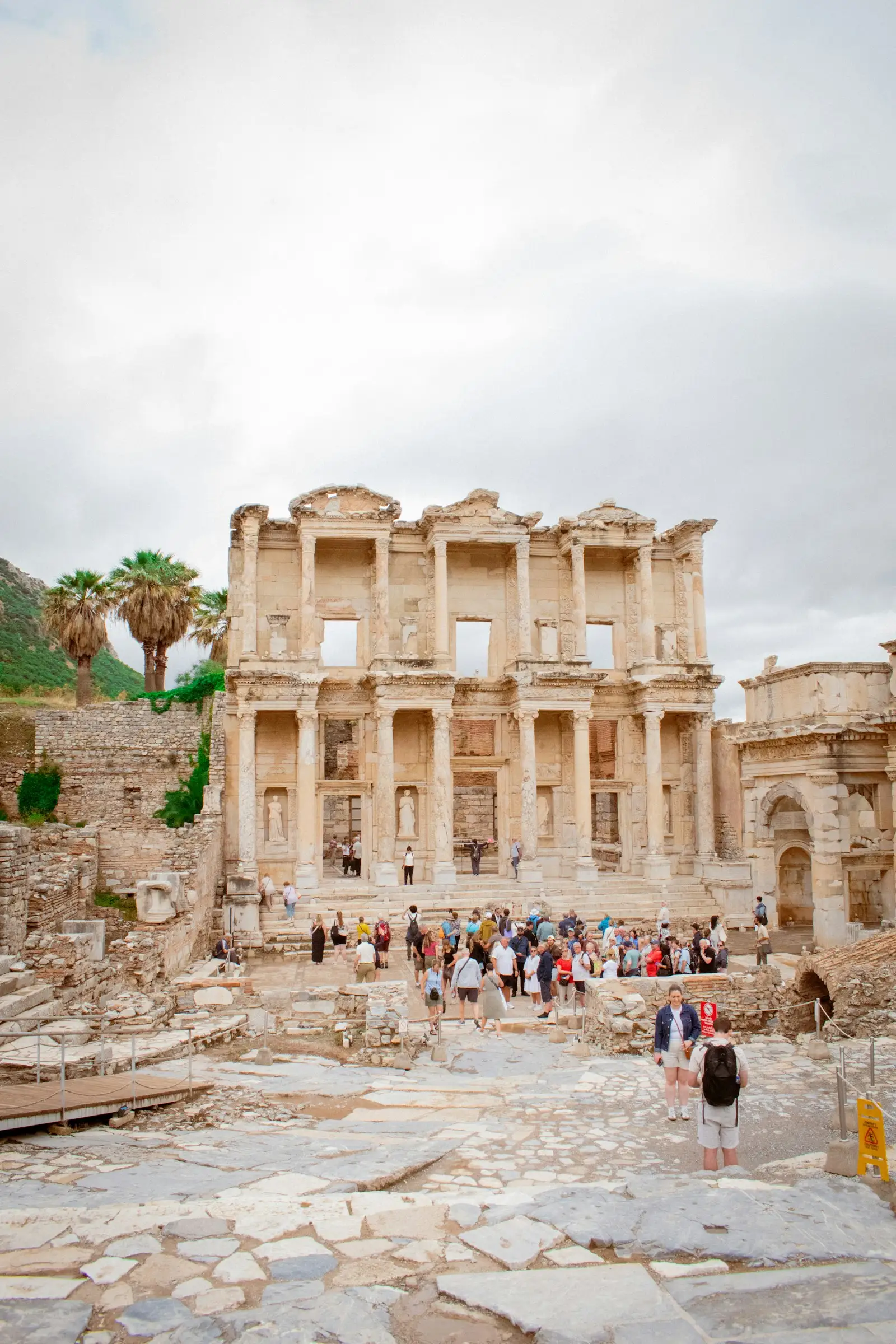
The Library of Celsus: Story of an Ancient Wonder
The Library of Celsus at Ephesus held 12,000 scrolls and was built as an illegal tomb. Discover its dramatic history from construction to destruction to reconstruction.
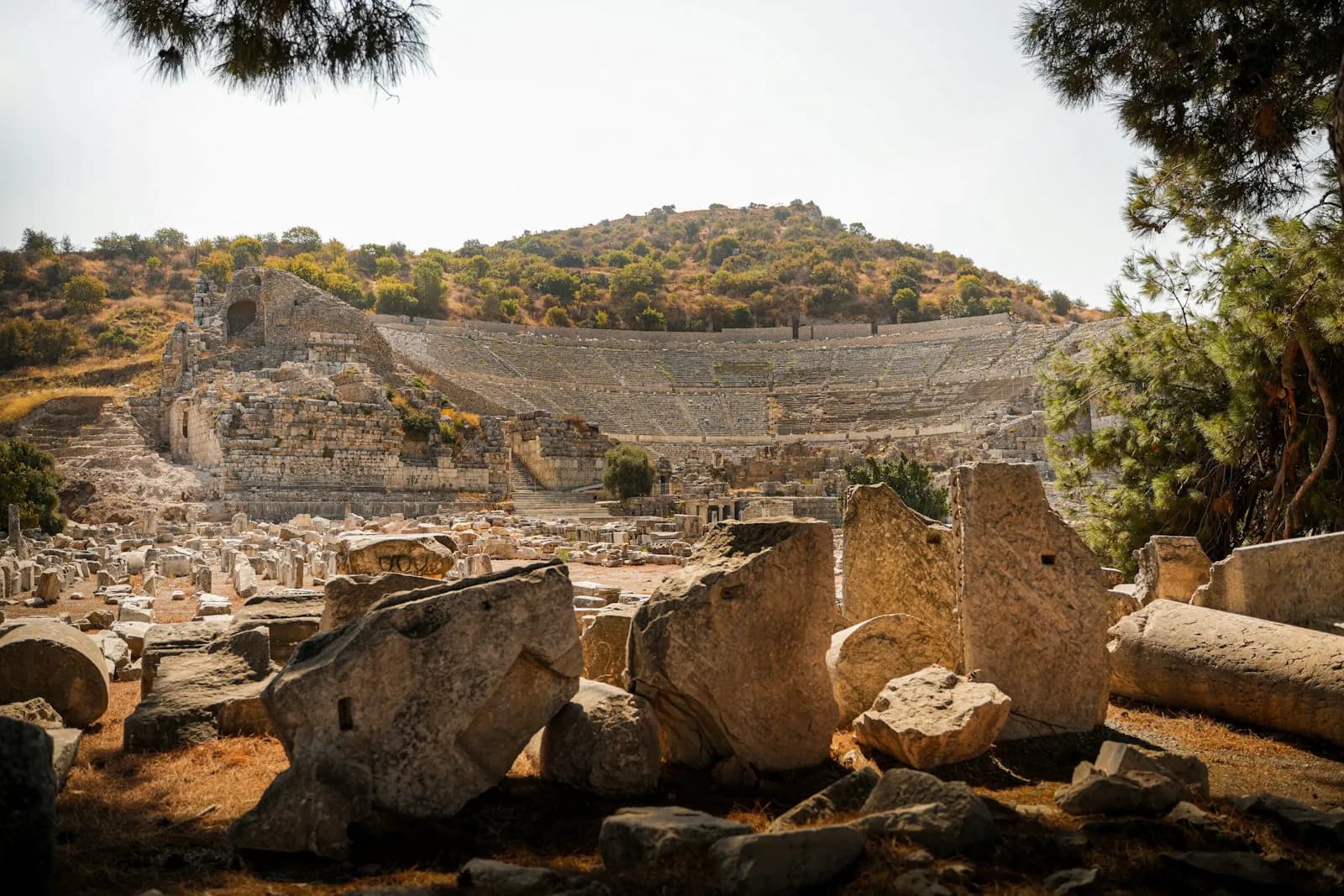
The Great Theatre of Ephesus: 25,000 Seats of History
The Great Theatre of Ephesus held 25,000 spectators and witnessed the silversmiths' riot against Apostle Paul. It's currently closed for restoration.
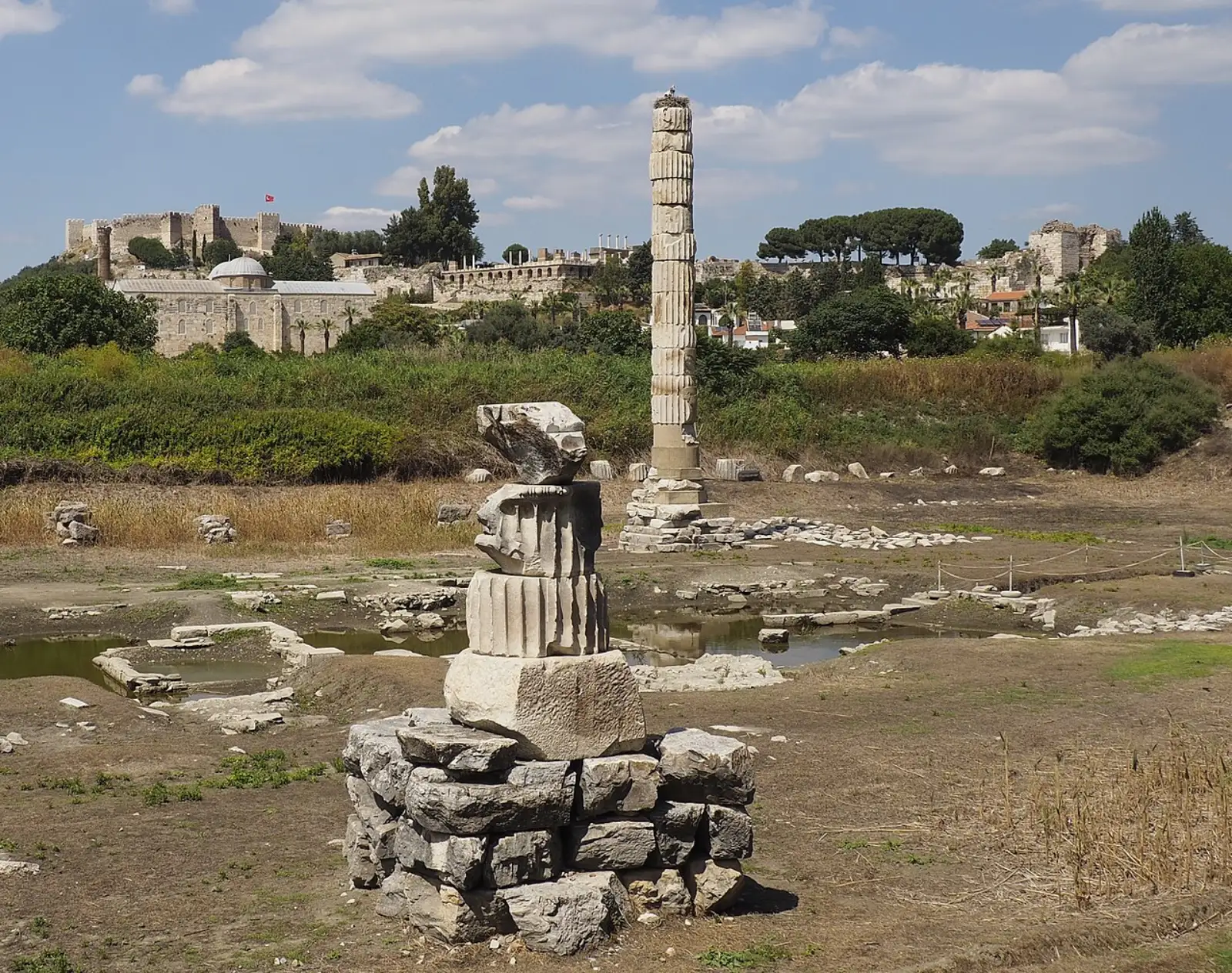
Temple of Artemis at Ephesus: The Lost Wonder of the World
Once one of the Seven Wonders, the Temple of Artemis at Ephesus took 120 years to build. Today only one column remains. Here's the full story.
Ephesus and Early Christianity: Paul, Mary and the Seven Churches
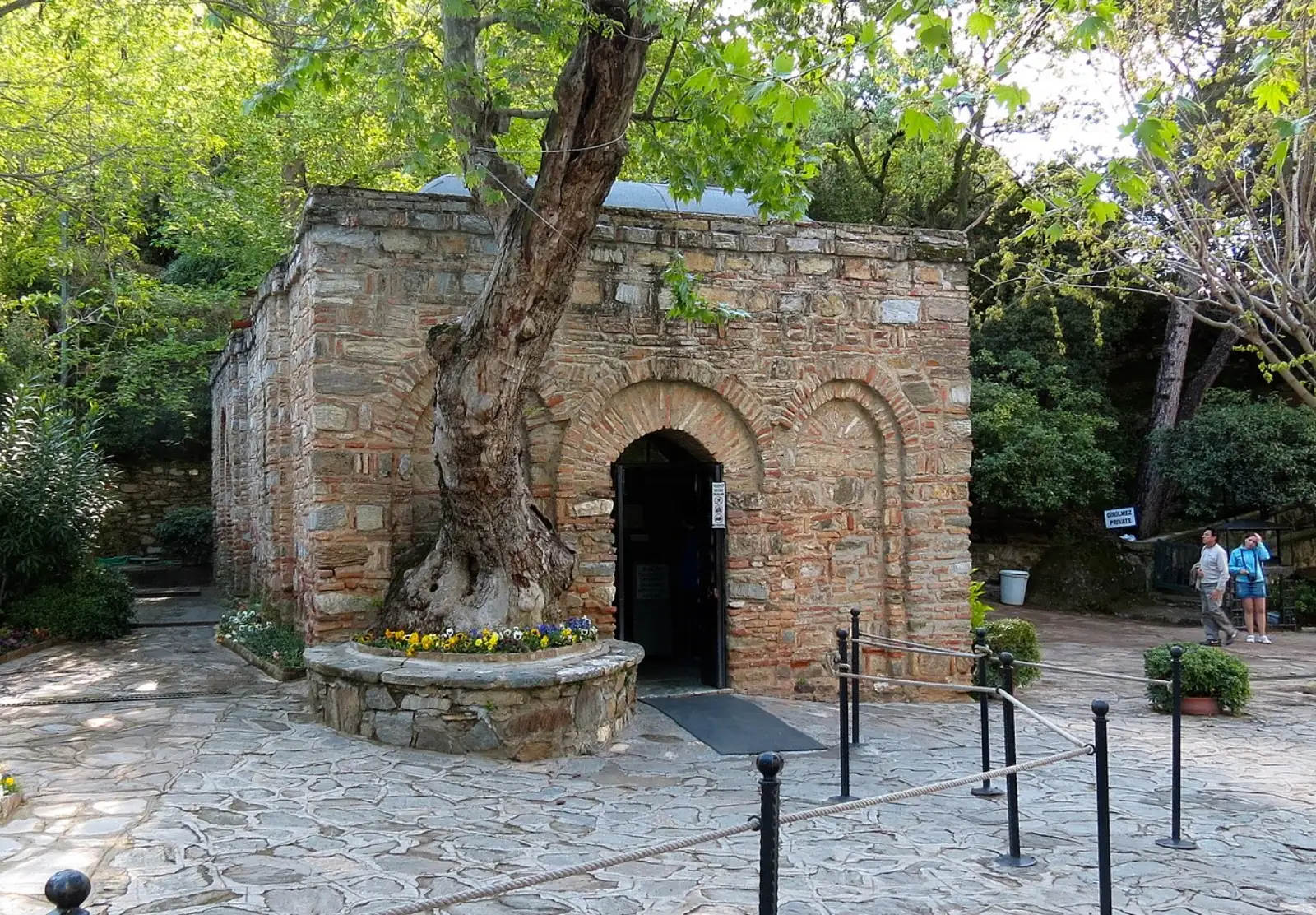
Ephesus shaped Christianity: Paul preached here for two years, the Council proclaimed Mary 'Theotokos,' and it's one of the Seven Churches of Revelation.